
Why I Owe Townes
Not That He'd Take The Money

My girlfriend took me to see Townes Van Zandt when I was about 25. The only thing I remember about the show was a bad joke.
“Someone told my manager I ought to be a stand-up comedian instead of a songwriter. My manager said, ‘First of all, half the time he can’t stand up.’”
I couldn’t have told you his name when I left the show that night.
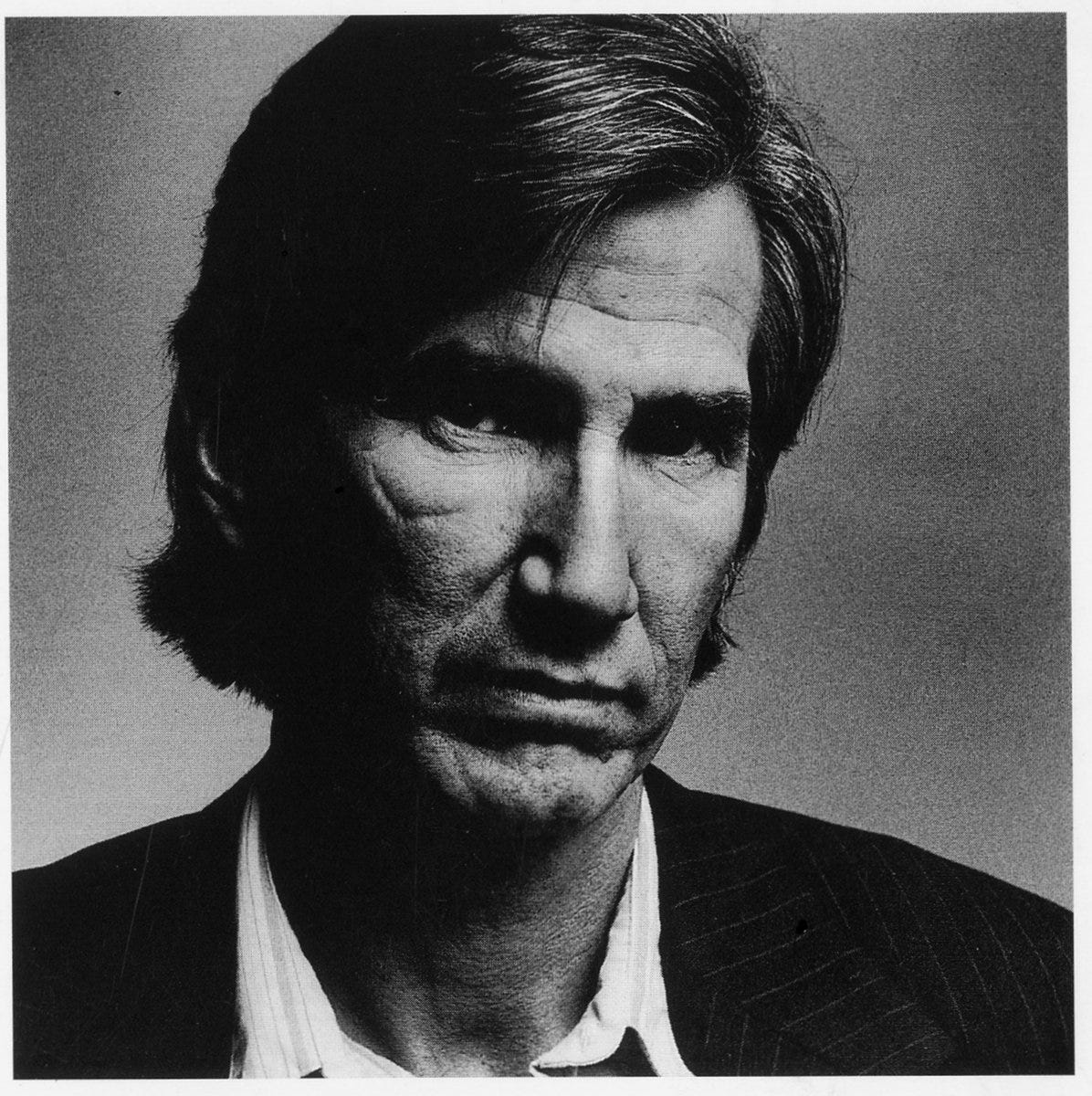
I wasn’t ready for Townes. By the time I saw him, the magic of youth was long gone. The magic of his art was alive and well, as it is today, but I didn’t know how to appreciate it.
Not many places in the world have a songwriting culture like Texas does. Canada does, but I got to Texas before I got to Canada. And Texas got to me.
In the Southeast, there aren’t many people who know or care that Elvis didn’t write any of those songs. People appreciate it if you’ve got technical skill or you’re a great entertainer. They’ll give you the attention they’d give a good trainwreck if you got famous somewhere else.
I wrote songs, but I didn’t know songwriter was a whole genre, a scene of Unitarian churches, house concerts, festivals, and the rare little listening room somewhere in a college town. My friend Chuck Brodsky kept telling me about this crazy-ass 18-day-long folk festival in Texas and saying I just had to go.
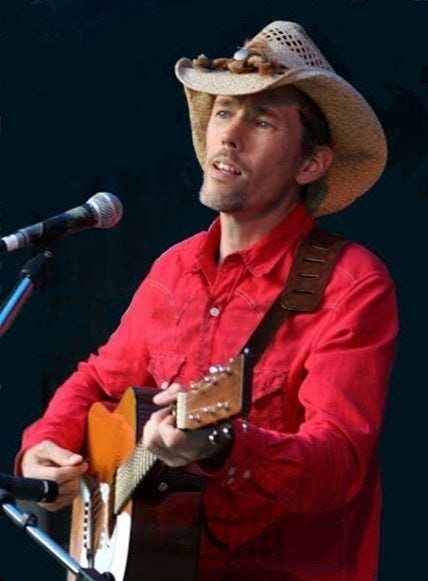
Well, I went, and I didn’t stop going back until COVID changed the music business so much that I thought it might be easier to be a physicist.
What I loved, and still love, about songwriting in Texas is — in keeping with the Texas theme — they don’t give a #$% what you think. New York, LA, Nashville, Detroit, Boston — they sell records. They need songs that a lot of people like, so they can keep the shareholders happy. Of course, I generalize; there are some great songwriters in those places that don’t tapdance for the corporate music biz, but that’s not what those places are known for, musically speaking. Texas is known for songwriters like Townes.
The name she gave was Caroline
daughter of a miner
her ways were free
it seemed to me
that sunshine walked beside her— Tecumseh Valley, Townes Van Zandt
Sunshine walked beside her? What does that mean? Maybe it means whatever you want it to mean. Maybe you find out if you keep listening. Maybe it means something different to you when you’re 50 than it did when you were 20.
Pancho was a bandit boys
His horse was fast as polished steel
Wore his gun outside his pants
For all the honest world to feel—Poncho & Lefty, Townes Van Zandt
Not to see. To feel. Just because it rhymed with steel? Maybe, but isn’t there something interesting about it? It’s hard to say whether it’s good or bad, but it sure is different.
The wicked king of clubs awoke
it was to his queen turned
his lips were laughing as they spoke
his eyes like bullets burned— Mr. Gold and Mr. Mudd, Townes Van Zandt
Those are the first four lines. Don’t you just have to hear more? I do. His eyes like bullets burned?!
This is not just what sets Townes apart, but what sets Texas apart. They’re going to do it differently, and if you don’t like it, you can keep ridin’. For a young songwriter trying to make a career out of something worth saying, rather than what people wanted to hear, Texas was the first place I felt like it was possible. Texas may have been the place that made it possible for me. Between Texas, Canada, and a few little special pockets of the Western Hemisphere, I paid off a mortgage, bought my vehicles with cash, and raised an amazing kid. I found people who couldn’t get enough of things like this:
The devil broke the rolling veil
a shadow rode along the rail
a shadow rode along the rail
black as a buzzard’s wing
black as a buzzard’s wing
I saw coyote— Coyote, Jonathan Byrd
I played that at a campfire at the Kerrville Folk Festival minutes after I’d written it, but the line was, “his shadow rode along the rail.” Everyone listened like they do in Texas, like you’re revealing ancient secrets never told, and then someone pointed out, very politely, “The Devil doesn’t have a shadow.” I mean, damn. That’s how you listen to a lyric. That one word hardly mattered at all, but it mattered a great deal right then and there. That’s a culture that produces songwriters like Townes Van Zandt. I tried my best to learn from it.
I’ve been back a bit, even since I’ve been in school. I hope to get back more. Townes was a big part of creating space for artists like me, and I owe him a big ol’ Happy Birthday today. He would have been 80.
It's goodbye to all my friends
It's time to go again
Think on all the poetry
And the pickin' down the line
I'll miss the system here
The bottom's low and the treble's clear
But it don't pay to think to much
On things you leave behind
I may be gone
But it won't be long
I will be a-bringin' back the melody
And the rhythm that I find— To Live’s To Fly, Townes Van Zandt
Your fan,
Jonathan Byrd
I got to do the Kerrville Newfolk Songwriting Contest back in ‘98, same year as Dave Carter. An amazing experience. I never imagined I’d be famous, and I didn’t want that traveling lifestyle; I was living on top of a mountain off the grid in western Oregon and raising a couple kids with my wife up til then, and that is what was important to me. But all those great musicians and songs were such a treat, and to be considered worthy of that stage was a special feeling. I sang my two songs as well as I ever had. Then the campfires were great, and hearing all those other songs and realizing mine had been chosen for that stage made me feel really honored. I came back to my work as a City Planner, from which I retired in 2009. Here it is 28 years later, and I just won a California Music Video Award. The old man in the room at 79, as I was the old man in that Kerrville contest at 51. Life is such a treat. Again, I love these missives as I’ve loved your songs- some as good as it gets.
I now know why I love you! You sat in the same room with Townes Van Zant. I wish I had appreciated him when he was alive. One of the great regrets of my life.